
A wedding abroad can look settled on a calendar and still become complicated once civil records, relatives, flights, and immigration forms collide. The ceremony is not separate from the filing plan. Each choice affects the next one.
A CR1 spouse visa can suit a genuine international marriage, but it will not fix a rushed engagement, hidden debt, or a couple that has only spoken in romantic fragments. The safer order is simple: test the match, confirm the legal route, then let the wedding date and travel plans follow from what both people actually know.
Plan Your Wedding Around Visa Timelines
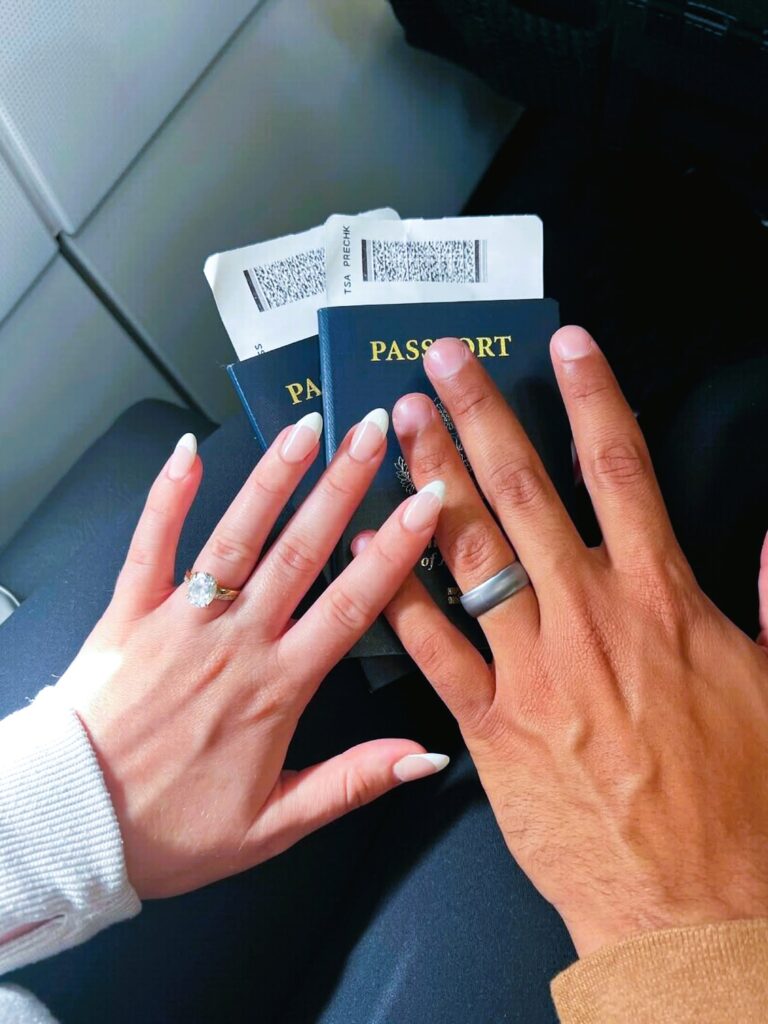
The wedding date carries legal weight in a cross-border marriage. The marriage must be valid where it happens, and the later immigration file depends on records that are readable, consistent, and believable.
For a busy professional, wedding planning can start to resemble a work project: pick the venue, book flights, invite guests, file the petition, move on. That pace may work in an office. It can fail with civil registries, certified translations, name spellings, divorce records, and local marriage rules. A church ceremony, for example, may feel complete to both families but still need civil registration before it counts legally.
Build the plan in layers. Confirm the marriage rules in the country where the ceremony will take place. Decide whether the event will be civil, religious, private, public, or some mix of those. Gather birth certificates, divorce decrees, passport copies, and required translations before travel, not after a long flight home.
Practical consequence: one misspelled middle name on a marriage certificate can slow a case for months. Passport spelling, birth records, prior marriage documents, and certified translations should match as closely as the issuing authorities allow.
The wedding can be warm and culturally meaningful. The file should be dull in the best possible way: dates, photos, receipts, travel records, family details, and a story that lines up without dramatic explanations.
What the CR1 Spouse Visa Requires?
The CR1 spouse visa is designed for the foreign spouse of a U.S. citizen or lawful permanent resident, though eligibility rules and processing steps can change. Treat this as general guidance, not legal advice. Prior immigration denials, criminal records, complicated divorces, custody disputes, or long timeline gaps call for an immigration attorney rather than old forum threads.
At its center, the case asks two questions: is the marriage legally valid, and is it genuine? The U.S. petitioner usually begins with Form I-130 and supporting evidence. After approval, the case moves through the National Visa Center, then consular processing, a medical exam, and an interview.
Evidence is strongest when it comes from normal life rather than last-minute staging. Wedding photos, travel itineraries, boarding passes, hotel receipts, chat history, call logs, family introductions, shared financial records where available, and affidavits from people who know the couple can help. None of it should be invented or edited into something misleading.
A clean file usually separates proof into a few groups:
- Legal proof: marriage certificate, divorce decrees, birth records, passport pages.
- Relationship proof: visits, photos, messages, family introductions, shared plans.
- Financial proof: tax records, income evidence, sponsorship forms, household details.
- Personal proof: honest answers about prior marriages, children, addresses, and timelines.
Strong petitions are not built on dramatic love stories. They are built on consistent facts. A couple that can explain where they met, how often they talk, who attended the wedding, and where they plan to live has a sturdier file than one relying on emotion and vague promises.
Talk Honestly About Money Before Marriage
Money sits close to every part of an international marriage: wedding costs, flights, hotels, filing fees, certified translations, medical exams, courier charges, relocation, rent, insurance, and the first months after arrival. A beautiful ceremony can turn sour if one person pays quietly while the other treats the bill as someone else’s problem.
A small example: a man covers the airfare, hotel, civil ceremony, family dinner, document translations, and later the immigration filing. At first, he sees the spending as part of building a future. Then a request arrives for help with a sibling’s rent or a parent’s medical care. The need may be real. It may also reveal a money pattern that should have been discussed before engagement.
Put plain questions on the table early. Who pays for the wedding? How large can the event be without debt? Will her family expect a bride price, dowry, gift exchange, church reception, or a meal for extended relatives? Are those customs meaningful to her, flexible, or financially risky for the couple?
Customs deserve respect, but they do not cancel arithmetic. In one family, a wedding may involve neighbors, cousins, and church members. In another, a registry office and dinner may be normal. Neither route is automatically wrong. The key issue is whether both partners understand the cost and the symbolism attached to saying yes or no.
Before filing any petition, compare monthly budgets. Rent, debt, remittances, childcare, insurance, savings, transportation, and job plans should be discussed in specific numbers. A shared spreadsheet is not cold. It can prevent resentment from becoming the first household language.
Avoid Rushing a Foreign Wife Visa
The immigration route is sometimes discussed online as though the main goal is simply bringing a woman to the United States. That framing skips the harder question: can two adults handle the months after arrival, including the first argument, the first lonely week, the job search, the culture shock, and the first disagreement about relatives?

Fast courtship can make missing information look like chemistry. He may value her warmth, family focus, or willingness to marry. She may value his steadiness, career, age, or clear interest in building a household. None of those motives are automatically shallow. Problems begin when both people fill in the unknowns with fantasy. He imagines gratitude and peace. She imagines security and instant belonging.
Time together reveals details that messages rarely show. How does she respond to a delayed train, a bad hotel, a missed call, a tight budget, or a tense conversation with relatives? How does he act when a translation app fails, plans change, or he feels out of place in her country? Wedding planning is useful partly because it exposes stress before vows are exchanged.
A calm warning: rushing the process can make people ignore warning signs because tickets are booked, relatives have been told, and deposits are already paid. If there are serious doubts about honesty, children, money, past partners, or motives, pause before the ceremony. A delayed wedding is painful. A legal marriage entered in confusion is harder to unwind.
Use the visa timeline as a screening tool, not as a threat. A sincere partner may be frustrated by delays, but she should understand why legal accuracy, medical exams, interviews, and financial sponsorship cannot be treated casually.
Choose a Reputable Mail Order Bride Platform
The phrase mail order bride has a heavy history, and it should. A wife is not merchandise, and no ethical platform can “deliver” a marriage. Still, the term remains common in search results, so the safer interpretation is this: an international dating service where adults can verify identity, communicate freely, meet by choice, and decide whether marriage is realistic.
When comparing platforms, it helps to approach them with the same caution you would use for any high-stakes service, especially if you are researching reputable mail order bride sites 2026 and want to avoid wasting time or money. Do not stop at attractive profiles or fast replies. Look closely at identity verification, profile moderation, refund terms, messaging costs, video call access, privacy settings, and reporting tools. Any site that charges heavily just to maintain a basic conversation, hides important fees, or shows a weak response to fraud should be treated with real skepticism.
Some professionals compare international dating services because local apps feel casual and inefficient, while foreign dating pools may appear more marriage-oriented. That goal is understandable. It still calls for discipline. A serious woman is not confirmed by traditional phrases, flattering messages, or fast affection. Look for steady details, live video conversations, realistic plans, and a willingness to discuss work, family, money, children, and relocation.
The ethics behind the phrase deserve careful handling. The question of whether it is possible to buy a wife is best read as a warning, not as a shopping idea. Marriage has to remain voluntary, informed, and personal.
Before paying for any site, test how it works when romance is not clouding judgment. Can users report suspicious behavior easily? Are fake profiles removed? Are prices clear before a credit card is entered? A reputable platform, in the least harmful sense of the category, should support careful screening and direct communication, not sell urgency dressed up as destiny.
Handle Family Doubts Without Getting Defensive
Family doubts can sting, especially after months of calls, travel, and serious plans. Still, relatives may be reacting to real unknowns: a short courtship, language gaps, an age difference, financial imbalance, prior divorce, children, or a wedding announcement that arrived after most decisions were already made.
Defensiveness usually makes the match look less stable. Calm detail works better. Share how long the two of you have known each other, when you met in person, how often you talk, what her work and family situation is, and what the immigration process actually involves. Avoid selling her as more loyal, more traditional, or more grateful than women at home. That comparison sounds weak and can embarrass both partners later.
The future spouse should not be put through a family trial. She also should not be kept invisible until after the wedding. Short video calls, translated greetings, photos from visits, and simple context can lower the temperature. Some families need time to see that this is a real courtship, not a fantasy profile or a scam.
One useful sentence is direct: “I understand why this raises questions. We are taking the legal process slowly, and I want you to meet her properly.” That tone does not hand control to relatives. It shows judgment and steadiness.
Some relatives will be biased, rude, or unwilling to accept an international marriage at all. Even then, keep documents accurate, plans realistic, and conversations measured. The goal is not to win every argument before the wedding. The goal is to prevent family conflict from becoming the first major strain on the marriage.
Build Trust Before Filing Any Paperwork
Paperwork changes the mood of a couple. Once forms are filed, the relationship can start to feel like a case number with momentum. That momentum can make people stay quiet about doubts because progress finally looks visible. Better to settle the hard questions before the petition is mailed or submitted.
Trust here is not a romantic feeling. It shows up in actions. Does she answer basic questions directly? Does he describe his income, housing, and work schedule honestly? Are both people clear about children, fertility, religion, debt, health issues, prior partners, and past marriages? Does either person vanish when the topic becomes uncomfortable?
Use video calls for more than affection. Talk through a normal week. Work hours, religious practice, alcohol, social media habits, gender roles, housework, money sent to relatives, and sex after marriage all belong in the conversation. These are not interrogation topics. They are the operating instructions for a shared home.
Before filing, cover these points in plain language:
- Where the couple will live during the first year after arrival.
- How bills will be paid if work authorization, licensing, or language barriers slow employment.
- How often money may be sent to relatives abroad.
- Whether children are planned, expected, or not possible.
- How conflicts will be handled without threats of abandonment, deportation, or financial control.
The last point deserves special care. Immigration status must never become leverage inside the marriage. A petition is a legal process, not a leash. If either person uses the visa to control the other, the marriage is already in unsafe territory.
Platform choice can affect this stage more than people expect. Before feelings and forms get tangled together, review how a site handles verification, user reports, and paid communication. A practical breakdown of how to choose the best mail order bride platform can help with screening before the stakes rise.
Prepare for Life After Approval
Approval is not the finish line. It is the start of a demanding move. The spouse arrives with luggage, documents, nerves, hopes, and the sudden loss of familiar streets, food, language, friends, and status. The U.S. partner may feel relief after months of waiting, then realize the first weeks require more attention than expected.
Handle the basics before arrival. Housing should be ready, not “almost figured out.” Important documents need a safe folder. Discuss phone service, transportation, medical insurance, winter clothing if needed, bank access, and regular contact with family back home. If she has professional credentials, research licensing, English testing, retraining, or local job paths before she lands.
Isolation can happen quickly when one spouse works long hours and the other spends the day alone in an unfamiliar apartment. That does not mean the U.S. partner must provide constant entertainment. It does mean the couple should identify language classes, community groups, religious communities, local relatives, volunteer options, safe transit routes, and places she can go without feeling trapped.
The wedding plan should leave space for adjustment after approval. Some couples choose a small legal wedding abroad and a later U.S. reception. Others marry abroad with her family present and keep the American welcome quiet. Neither route is automatically better. The right choice fits the visa timeline, the budget, family dynamics, and the bride’s emotional load.
Immigration can also change how a person sees herself. A woman who was employed, capable, and socially rooted in her home country may feel dependent at first. A man who expected immediate domestic calm may face paperwork errands, homesickness, and culture shock instead. Plan for that honestly, and the first year becomes less disorienting.
A strong international marriage is not built by treating the CR1 spouse visa as the main event. The visa is a legal path, while the marriage is made through daily choices about money, family contact, housing, work, and patience under stress. Before setting the ceremony date or paying another platform fee, have one serious conversation about budget, timeline, living plans, and doubts. Write down the answers, then decide the next step.